Introduction
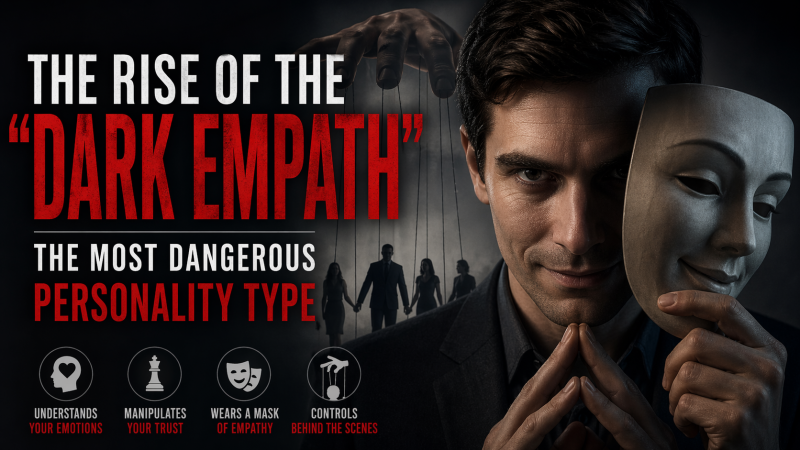
In recent years, the term “dark empath” has gained traction across psychology blogs, social media, and self-help communities. It describes a personality type that blends high emotional intelligence with manipulative, self-serving traits—a combination that can be far more harmful than a lack of empathy alone.
But is the dark empath truly the “most dangerous personality type”? And what makes this concept so compelling—and concerning—in modern society?
This article explores the psychology behind dark empathy, its warning signs, how it differs from other personality traits, and how to protect yourself from its subtle influence.
What Is a Dark Empath?
A dark empath is someone who possesses strong cognitive empathy—the ability to understand what others feel—while also exhibiting traits from the so-called “Dark Triad”:
- Narcissism (self-centeredness, need for admiration)
- Machiavellianism (manipulation, strategic exploitation)
- Psychopathy (lack of remorse, impulsivity, emotional coldness)
Unlike individuals who lack empathy entirely, dark empaths can accurately read emotions, making them more socially skilled and harder to detect.
Key Insight:
A dark empath doesn’t lack empathy—they weaponize it.
Why Dark Empaths Are Considered Dangerous
1. They Blend In Easily
Dark empaths often appear warm, charming, and emotionally aware. This makes them more socially accepted than overtly manipulative individuals.
2. They Know Exactly How to Influence You
Because they understand emotions deeply, they can:
- Predict your reactions
- Push emotional buttons
- Gain trust quickly
3. Manipulation Feels Like Connection
Their empathy creates the illusion of intimacy. You may feel:
- “They really understand me”
- “I can trust them”
But over time, this connection may become controlling or draining.
4. They Rarely Show Obvious Red Flags
Unlike stereotypical toxic personalities, dark empaths:
- Avoid overt aggression
- Use subtle tactics (guilt, passive pressure, emotional mirroring)
Signs You Might Be Dealing With a Dark Empath
Recognizing a dark empath isn’t easy, but there are patterns to watch for:
Emotional Mirroring That Feels Too Perfect
They reflect your feelings, values, and experiences almost exactly—sometimes unnaturally so.
Strategic Kindness
Their support often comes with hidden expectations or later leverage.
Subtle Guilt-Tripping
They may say things like:
- “After everything I’ve done for you…”
- “I guess I just care more than you do.”
Social Intelligence Used for Control
They navigate group dynamics expertly, sometimes influencing how others see you.
You Feel Drained, Not Supported
After interactions, you may feel:
- Confused
- Emotionally exhausted
- Slightly manipulated, but unsure how
Dark Empath vs Narcissist vs Psychopath
| Trait | Dark Empath | Narcissist | Psychopath |
|---|---|---|---|
| Emotional Awareness | High | Moderate | Low |
| Empathy | Cognitive (used strategically) | Limited | Very low |
| Social Skills | Strong | Variable | Often superficial |
| Manipulation Style | Subtle, emotional | Self-centered | Cold, direct |
| Perceived Warmth | High | Medium | Low |
What sets dark empaths apart is their ability to connect before they control.
The Psychology Behind Dark Empathy
Dark empathy is not an official clinical diagnosis. Instead, it’s a personality pattern identified in psychological research.
Studies suggest that some individuals score high in:
- Empathy (especially cognitive empathy)
- Dark Triad traits
This combination creates a paradox:
- They understand emotions
- But lack the motivation to care about others’ well-being
Cognitive vs Emotional Empathy
- Cognitive empathy = understanding feelings
- Emotional empathy = feeling those emotions
Dark empaths often have high cognitive empathy but low emotional compassion, allowing them to stay detached while still reading others accurately.
Why This Personality Type Is Rising in Popularity
1. Social Media Amplification
Terms like “dark empath” spread quickly because they:
- Are relatable
- Help explain confusing relationships
- Sound psychologically sophisticated
2. Increased Awareness of Toxic Behavior
People are more aware of:
- Gaslighting
- Emotional manipulation
- Narcissistic abuse
The dark empath concept fills in the gaps where someone seems both kind and harmful.
3. Modern Social Environments
In competitive environments (corporate, online, social circles), traits like:
- Charm
- Emotional intelligence
- Strategic thinking
can be used for both positive and negative ends.
How to Protect Yourself from a Dark Empath
Trust Patterns, Not Just Feelings
If something feels off repeatedly, pay attention—even if the person seems caring.
Set Clear Boundaries
Avoid over-sharing personal information too quickly.
Watch for Consistency
Do their actions align with their words over time?
Don’t Ignore Subtle Discomfort
Manipulation often feels vague rather than obvious.
Maintain Independent Support Systems
Strong friendships and outside perspectives help you stay grounded.
Can a Dark Empath Change?
This depends on self-awareness and willingness.
Change is possible if the person:
- Recognizes their behavior
- Values ethical relationships
- Seeks personal growth or therapy
However, without motivation, these patterns often persist because they are effective in achieving personal goals.
Final Thoughts
The idea of the dark empath challenges a common belief: that empathy always leads to kindness.
In reality, empathy is a tool—and like any tool, it depends on how it’s used.
The real danger isn’t just manipulation. It’s manipulation disguised as understanding.
By learning to recognize the signs and trust your instincts, you can protect yourself from relationships that feel good on the surface—but carry hidden costs underneath.